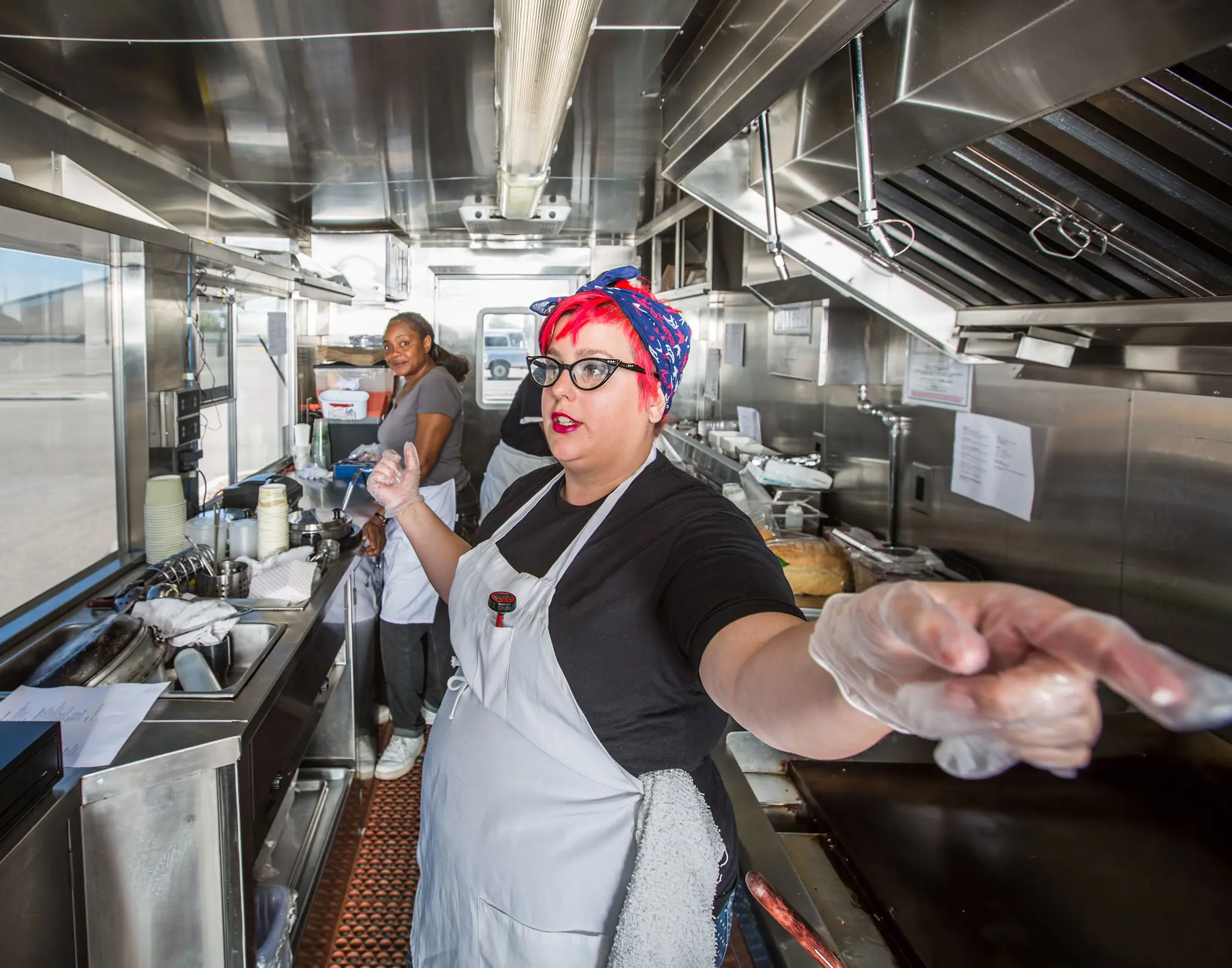
New Hampshire is one of 43 states and the District of Columbia in which tipped restaurant and hospitality workers are paid a subminimum cash wage, leaving them financially dependent on tips from customers for a large portion of their income. Seven states currently legislate an equal minimum wage for all, with no subminimum wages for tipped, disabled, or young workers.
Many New Hampshire tipped workers struggle to make ends meet. Only 15% earn on par or above the state median income. As is the case with so many minimum wage jobs, women make up the overwhelming majority of tipped New Hampshire workers. The annual median income for these women is 60% below the state median income.
Currently, New Hampshire’s tipped minimum wage is $3.26 per hour. Increases in the tipped minimum historically have been pegged to increases in the regular minimum. But Governor Chris Sununu signed a bill last year that would freeze the tipped minimum wage, should the federal minimum wage increase. The new measure in effect will prevent any raise in cash wages for tipped workers.
In response to a nationwide movement to raise the minimum wage, many states have increased their minimum wages above the federal minimum. Advocates, workers, and policymakers have called for an end to all subminimum wages and an increase of the minimum wage to $15 per hour.
The Gender Equity Policy Institute analyzed current wages and income for tipped employees working in New Hampshire to estimate the effects of a $15 per hour minimum wage coupled with the elimination of the tipped wage. The Institute’s analysis demonstrates that these changes would have profound positive benefits for tipped workers, particularly for women. Implementing these measures would significantly advance gender equity, thus earning the policy change a rating of 93% on the Institute’s Intersectional Gender Equity Scale.