California has some of the highest electricity rates in the United States. Current projections suggest that increases will continue to outpace inflation in future years.
Most of the debate around energy costs is focused on rates, utility bills, or the underlying costs driving rate increases, with some attention given to variance across utilities or service areas. While these questions are all important, we take a different approach in this report.
Who can afford their home energy costs and who cannot? That is the question examined in this Data Brief. To answer this question, we analyze U.S. Census American Community Survey (ACS) data through standard global measures of home energy affordability (See methodology). Data on who exactly is struggling to pay home energy bills is critical to crafting a practical and equitable solution to the problem of rising costs.
Home energy costs are considered unaffordable when more than 6% of household income goes toward utility bills for power, heating, and cooling, with those spending at this level defined as “energy burdened.”
Our analysis finds that more than 5.2 million California adults are energy burdened by this standard measure.
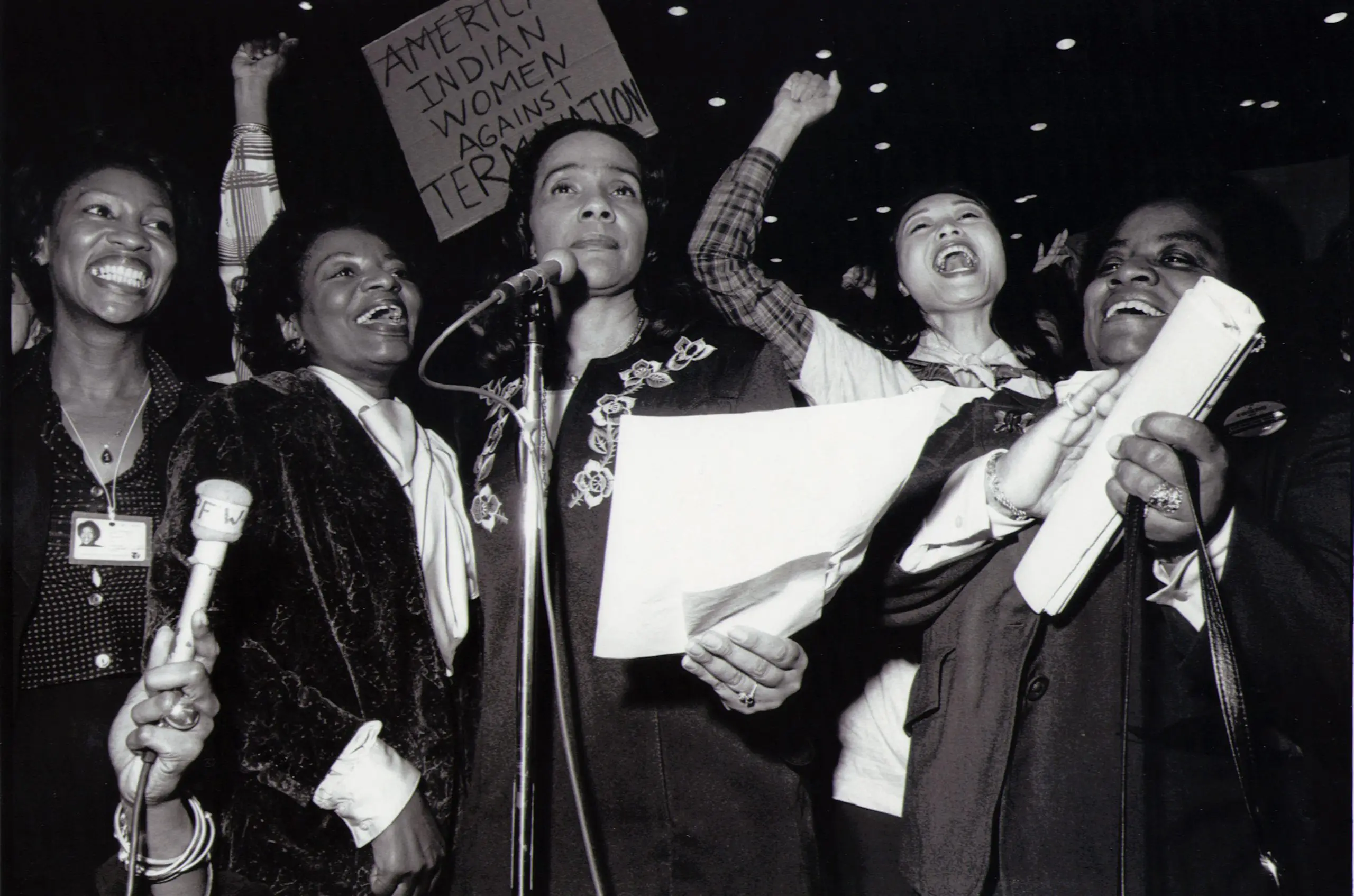
Women are significantly more likely than men to be spending an unaffordable share of income on home energy costs. This is true within nearly every group. It is true within all major racial and ethnic groups. It is true for seniors and parents. It is true for renters and homeowners alike. Single mothers struggle more to pay electric bills than single fathers; women-led households struggle more than men-led and couple-led households.
In this, California unfortunately aligns with the global pattern. Throughout the world, women are at greater risk than men of being energy burdened—in wealthy democracies, as well as in low and middle income countries.
The ability to afford energy to power, heat, and cool one’s home is a critical determinant of health and well-being. As California pursues its ambitious transition to clean energy, policymakers must act to make energy costs affordable for those who are struggling the most to pay their utility bills and make ends meet.